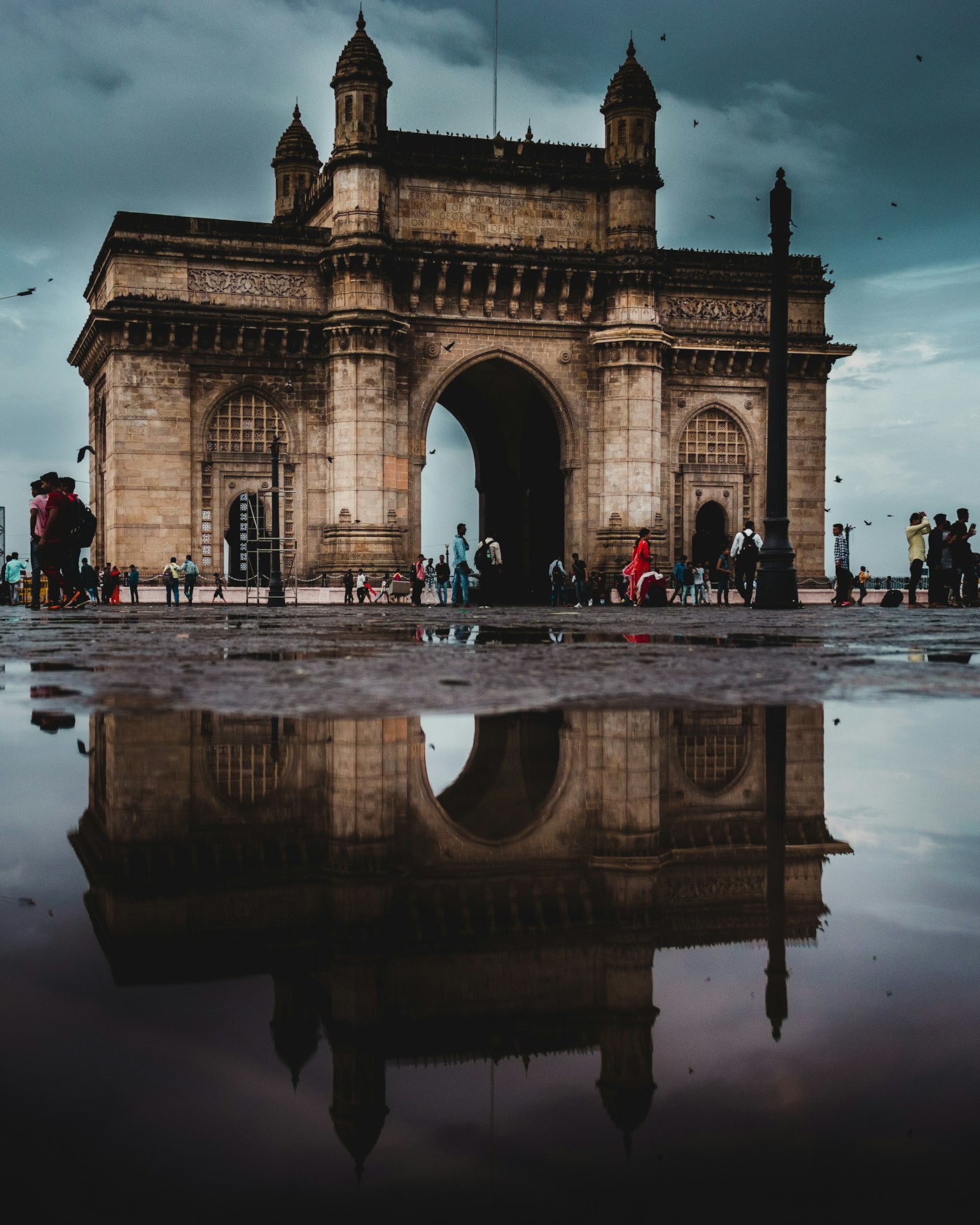
Mumbai
City Guide

Mumbai

The City of Dreams โ€” where ambition meets the Arabian Sea

โœจ AI-Enhanced Guide Available

Generate a deeper, more detailed guide for Mumbai using AI (Claude)

Page 1 of 3 โ€ข 5 sections total

The City That Never Sleeps: A Brief History of Mumbai

Mumbai โ€” formerly Bombay โ€” sits on a cluster of seven islands that were once home to Koli fishing communities for over 2,000 years. The city's recorded history begins with the Maurya Empire around 250 BCE, followed by the Satavahana dynasty. Portuguese explorers arrived in 1534 and named these lands "Bom Bahia" (Beautiful Bay). In 1661, the islands were gifted to England's King Charles II as part of Catherine of Braganza's dowry โ€” the most consequential real estate transaction in Indian history. The British East India Company took control in 1668, and within decades had transformed a cluster of malarial swamps into one of the world's great trading ports. The Hornby Vellard project of 1784, which reclaimed land to connect the seven islands into one landmass, literally built the modern city we know today. By the 19th century, the completion of the Great Indian Peninsular Railway (1853 โ€” India's first railway!) made Mumbai the commercial nerve centre of South Asia. During the independence movement, Mumbai was a fulcrum of freedom struggle. The Quit India Movement of 1942 was launched from Gowalia Tank Maidan (now August Kranti Maidan). After 1947, the great mill districts of Parel attracted millions of workers, creating the unique multicultural tapestry that defines Mumbai's identity today.

Iconic Landmarks & Must-Visit Places

No visit to Mumbai is complete without standing before the Gateway of India, the magnificent basalt arch built in 1924 to commemorate King George V's visit. From here, ferry boats cross to Elephanta Island (45 minutes), home to UNESCO-listed cave temples dedicated to Lord Shiva, carved between the 5th and 8th centuries CE. Chhatrapati Shivaji Maharaj Terminus (CST) โ€” formerly Victoria Terminus โ€” is perhaps the most photographed railway station on Earth. This Victorian Gothic marvel, completed in 1887, blends Mughal and Gothic styles in a way that leaves architects speechless. It handles over 3 million passengers daily. Marine Drive, the 3.6-km queen's necklace curving along Back Bay, is where Mumbai breathes. Early mornings bring joggers and yoga practitioners; evenings draw couples and philosophers. The Art Deco buildings lining it form one of the largest surviving concentrations of Art Deco architecture in the world โ€” another UNESCO designation. The Dharavi neighbourhood, often mischaracterised, is actually one of Asia's most entrepreneurial communities โ€” a 535-acre hub generating over โ‚น5,000 crore annually in recycling and cottage industries.

Top Attractions & Tickets

Gateway of India

Heritage Monument

Free entry
Open 24 hours
Apollo Bunder, Colaba

Elephanta Caves

UNESCO World Heritage Site

โ‚น40 (Indians) / โ‚น600 (Foreigners)
9 AM โ€“ 5:30 PM, closed Mondays
Elephanta Island (1 hr ferry from Gateway)

Chhatrapati Shivaji Maharaj Terminus

UNESCO Railway Station

Free (platform ticket โ‚น10)
24 hours
Fort, CST Area

Marine Drive

Coastal Promenade

Free
Best at sunset / night
Nariman Point to Babulnath

Haji Ali Dargah

Religious Monument

Free
5:30 AM โ€“ 10 PM
Lala Lajpat Rai Marg, Worli

Chhatrapati Shivaji Maharaj Vastu Sangrahalaya

Museum

โ‚น85 (Indians) / โ‚น460 (Foreigners)
10:15 AM โ€“ 6 PM, closed Mondays
Fort, South Mumbai

Hashtags for Mumbai

#Mumbai#GatewayOfIndia#CityOfDreams#MumbaiHeritage#MarineLines#BollywoodCity#MumbaiRealEstate#Colaba#Bandra#Dharavi

How to Get There

Nearest International Airport
Well-connected by Indian Railways
State & private bus services
National Highway access

Know Mumbai well?

Share your insights, hidden gems, and agent expertise. Earn visibility and attract more clients.

Find Properties in Mumbai

Browse RERA-verified listings by trusted local agents.